Short answer
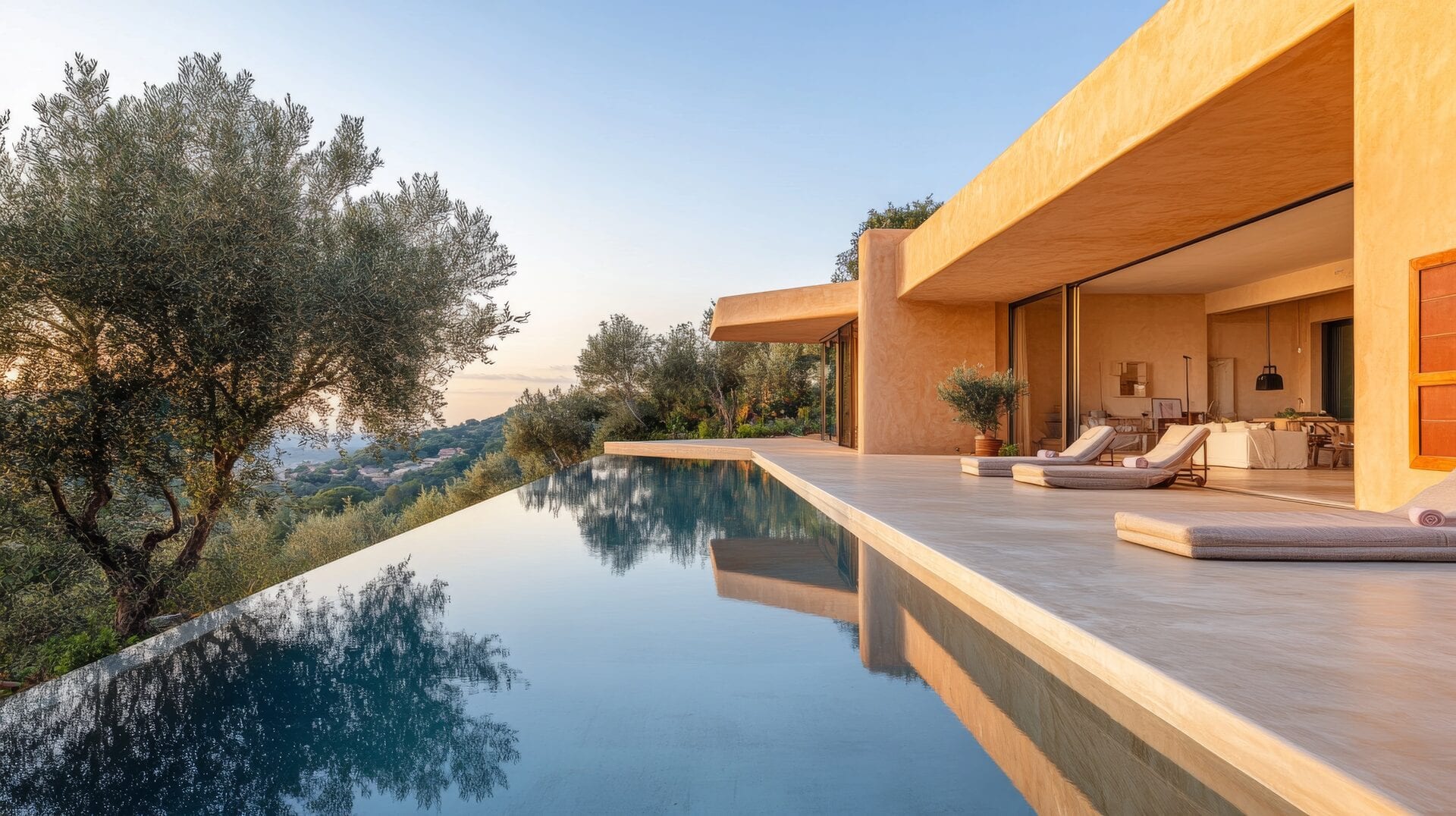
There is no single number — microcement is a layered system, and each layer ages on its own clock. Built over a stable substrate, a polyurethane-mineral finish is a long-service surface, not something you replace on a cycle. The topcoat is the sacrificial wear layer, so a worn floor is re-coated, not demolished. It is not permanent or maintenance-free: lifespan is set by the substrate, the layer chemistry, and upkeep — not by the word “microcement.”
A quick note from me before you read this
"How long does microcement last?" is the question I get right after "is it waterproof?" — and the honest answer is that there is no single number, because a microcement finish is not one material with one lifespan. It is a system of layers, and each layer ages on its own clock.
What I can tell you is this: a microcement floor built the right way is a long-service finish, not something you plan to tear out and replace on a cycle. But "long-service" is earned by three things — a stable substrate, the chemistry of the layers, and a little maintenance — not by the word "microcement" on the bucket. Two floors that share that label can behave completely differently a decade in.
I will not tell you microcement is permanent or maintenance-free. No floor finish is, and anyone who promises that is selling you a slogan. What I will do is show you which layer wears, why that is actually good news, and how our PURO system is built so the surface can keep performing for years without demolition.
What actually determines how long microcement lasts?
Lifespan comes down to four things, in roughly this order of importance:
- The substrate underneath. Microcement is a thin bonded coating, typically 2–3 mm. It inherits the stability of whatever it is bonded to. A sound, properly prepared base is the single biggest factor in how long the finish stays flawless; movement below telegraphs upward.
- Installation quality. Correct primer, reinforcement mesh where it is needed, the right number of coats, and movement joints that are honored rather than covered. Most early failures are prep failures, not material failures.
- The chemistry of the layers. The binder in the decorative coat decides how the surface flexes, resists abrasion, and holds color; the topcoat decides how the wear surface ages under traffic and UV.
- Maintenance. A finish that gets its topcoat refreshed in high-traffic zones outlives one left to wear through. This is the part owners control, and it is the easiest lever of the four.
Notice what is not on that list: a single headline strength number. Compressive strength is a crush test for the structural base — useful for the layer that carries load, but not a measure of how a thin decorative surface ages. Longevity lives in the wear layer and the topcoat.
Does microcement wear out? Which layer wears first?
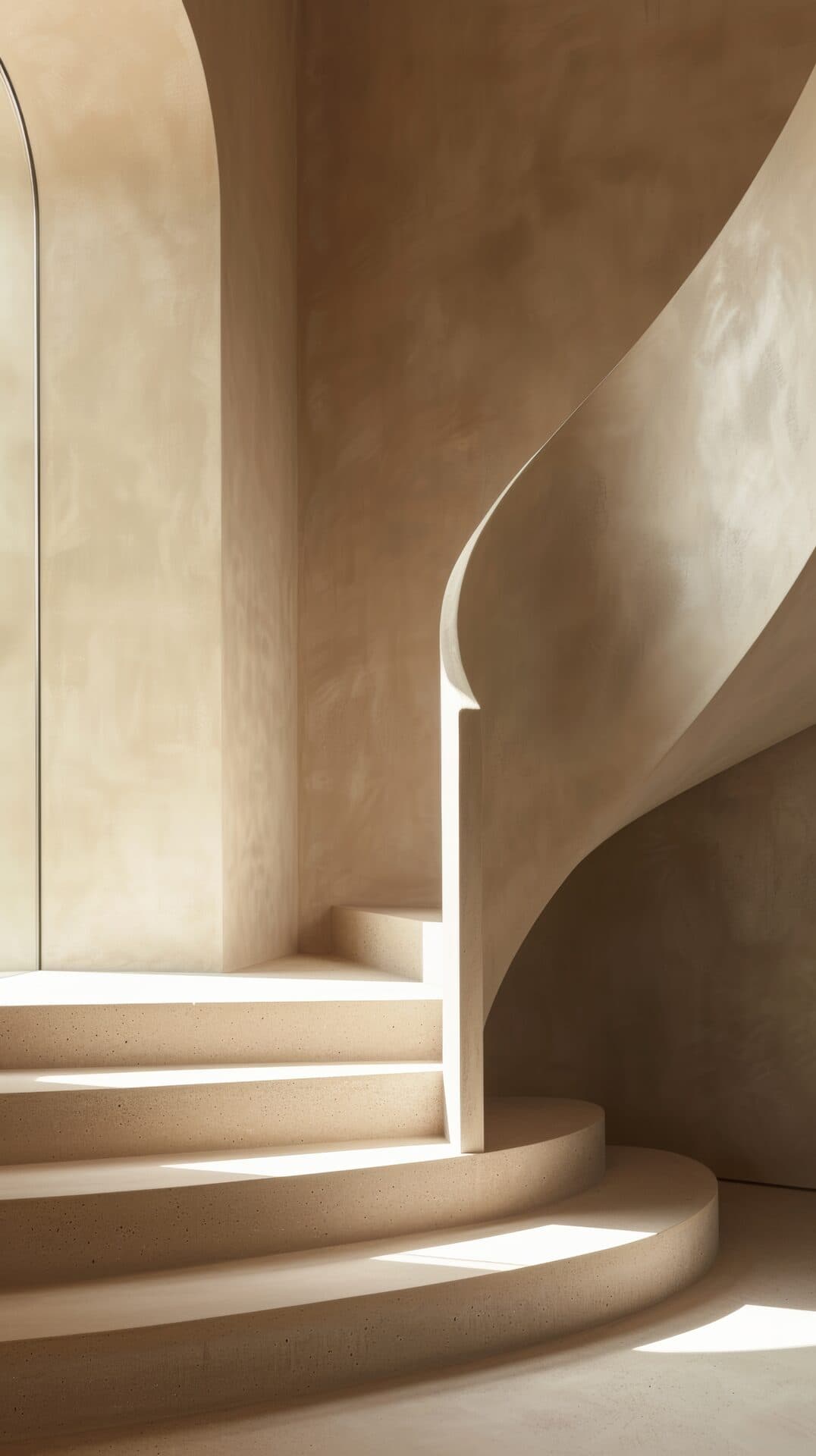
Here is the good news I promised. In a properly built system, the layer that meets the world is the topcoat — and the topcoat is designed to be the sacrificial, renewable layer. The decorative microcement beneath it, and the structural base beneath that, are not the parts taking daily abrasion.
That changes the whole lifespan conversation. When a tile floor wears or a grout line fails, you are into demolition. When a microcement topcoat eventually shows wear in a heavy-traffic lane — a commercial entry, a busy kitchen path — you re-apply the topcoat over the existing decorative layer, with no demolition and no seams. The color and texture you chose stay exactly where they are. The floor is refreshed, not replaced.
So "how long does it last?" quietly becomes "how long between topcoat refreshes?" — and in a normal home, with a hard, closed-pore surface, that interval is long. In a busy commercial space it is shorter, but it is still maintenance, not replacement.
How the three microcement chemistries age
Same format, three different formulas — and they wear, hold color, and end their service life very differently:
| Longevity factor | Acrylic-cement | Epoxy-modified | Polyurethane-mineral (PURO) |
|---|---|---|---|
| Flex over years (substrate movement) | More rigid; less forgiving of movement | Hard but brittle at edges | Hard-elastic film flexes with the substrate |
| Color hold under UV | Budget acrylic topcoats can dull or chalk | Prone to ambering under UV | Topcoat specified non-yellowing & UV-resistant |
| Wear surface & renewal | Topcoat wears; renewal varies by system | Topcoat wears; re-coat possible | Topcoat is the sacrificial layer — re-coat without demolition |
| Surface hardness / cleaning | Standard; porosity varies | Hard, chemically resistant | Shore D > 65, closed-pore, cleans easily |
| What usually ends its service life | Dulled surface or movement cracks | Ambering or brittle edge failure | Deferred topcoat maintenance in heavy traffic |
Where ATRIA's longevity comes from
I would rather show you the data by layer than quote a number of years I cannot put on a data sheet. In the PURO system, longevity is built in at every layer:
- Structural base (Rasante One): 42 ± 2 MPa compressive strength at 28 days (EN 1015-11) — a stable, load-bearing foundation so the thin layers above are not fighting a weak base.
- Decorative wear layer (SuperTitanium BC): a two-component modified polyurethane resin bound with quartz, marble sand, and Etna volcanic mineral. It cures hard-elastic and closed-pore, with Shore D hardness above 65 and 32 ± 2 MPa compressive strength at 28 days (EN 1015-11), rated for −10°C to +120°C. Hard-elastic means it resists scratching while still flexing with the substrate instead of cracking; closed-pore means it does not drink up stains and cleans easily — both of which keep it looking new for longer.
- Protective topcoat (New Atriapol Antibacterial): a two-component polyurethane topcoat, closed-pore and anti-absorbent, with DIN 53778 wet abrasion above 10,000 and EN 1542 adhesion above 3.6 MPa, specified non-yellowing and UV-resistant and tested to ISO 22196:2011. This is the renewable wear surface — the layer you refresh, not the layer you demolish.
And this is where our distinction sits: ATRIA puts polyurethane in the decorative microcement layer itself — not only in the topcoat — over a documented 42 ± 2 MPa cementitious base, and under a two-component polyurethane antibacterial topcoat (ISO 22196:2011). No microcement system we have verified, TDS in hand, combines all three. Ask any supplier to show you the same, layer by layer, in their TDS.
How do you make a microcement floor last longer?
The finish does most of the work, but four habits stretch the interval between refreshes and keep the surface looking its best:
- Clean with pH-neutral products. Skip harsh acids and aggressive solvents; a closed-pore surface only needs mild cleaning.
- Use mats and felt pads. Grit is what abrades a topcoat — door mats at entries and pads under furniture protect the wear surface.
- Refresh the topcoat on schedule in high-traffic zones. A commercial entry or a busy kitchen lane benefits from a periodic re-coat long before wear ever reaches the decorative layer.
- Ask for maintenance guidance in writing. A real manufacturer publishes cleaning and re-coat guidance for its own system; if no one can tell you how to maintain a finish, that tells you something.
Frequently asked questions
How long does microcement last?
There is no single lifespan, because microcement is a layered system, not one material. Installed over a stable substrate with correct primer and reinforcement, a polyurethane-mineral microcement finish is a long-service surface rather than something you replace on a cycle. What ages first is the topcoat, the sacrificial wear layer, and it can be refreshed in high-traffic zones without demolition — so a well-built, maintained floor keeps performing for many years. Lifespan is set by the substrate, the chemistry of the layers, and maintenance, not by the word microcement.
Is microcement permanent?
No floor finish is truly permanent, and any supplier who promises that is selling a slogan. Microcement is best described as a long-service, renewable finish: the structural base and decorative layer are durable and bonded, and the topcoat — the layer that actually meets traffic — can be re-applied over the existing finish without demolition. Maintained that way, the surface keeps its look and performance for the long term, but it still relies on periodic topcoat care rather than lasting forever untouched.
Does microcement wear out over time?
The part that meets daily traffic is the topcoat, and it is designed to be the sacrificial, renewable layer. A closed-pore, hard-elastic polyurethane-mineral finish under a two-component polyurethane topcoat resists everyday abrasion; in heavy-traffic settings the topcoat is what eventually shows wear, and it can be re-coated over the existing decorative layer with no demolition and no seams. The decorative layer and structural base beneath it are not the parts taking that abrasion.
How do you make a microcement floor last longer?
Clean with pH-neutral products rather than harsh acids or solvents, use door mats and felt pads to keep grit off the surface, and refresh the topcoat on schedule in high-traffic zones before wear ever reaches the decorative layer. Because the topcoat is the renewable wear surface, this maintenance is a re-coat, not a replacement. A real manufacturer publishes cleaning and re-coat guidance for its own system, so ask for that guidance in writing.
Does microcement last longer than tile?
They fail differently. Tile can last a long time, but its weak points are grout lines and the demolition required when something fails or dates. Microcement is seamless, so there are no grout lines to fail, and its wear surface — the topcoat — can be refreshed over the existing finish without tearing anything out. A well-built microcement floor is a long-service finish maintained by re-coating rather than replacement; how long any floor lasts still depends on the substrate, installation quality, and care.
What makes ATRIA microcement long-lasting?
Longevity is built in by layer: a Rasante One structural base rated 42 ± 2 MPa at 28 days (EN 1015-11), a hard-elastic, closed-pore SuperTitanium BC decorative coat with Shore D hardness above 65, and a two-component New Atriapol polyurethane topcoat specified non-yellowing and UV-resistant, tested to ISO 22196:2011, with EN 1542 adhesion above 3.6 MPa. ATRIA carries polyurethane in the decorative layer itself, not only the topcoat, and the topcoat is a renewable wear surface you refresh rather than demolish — which is what keeps a finished floor performing for the long term.
Go deeper
About the author
Enzo Atria
Owner & 2nd-generation lead, Colorificio Atria S.r.l. · Partanna, Sicily
Enzo leads Colorificio Atria, the Italian manufacturer behind the PURO polyurethane-mineral microcement system and the VENEZIANO Venetian plaster collection. Over two decades he has built ATRIA into one of Europe's reference-standard microcement houses, with specification work in luxury residential, hospitality, and healthcare across Italy, the Middle East, and — more recently — the US through ATRIA USA. He oversees formulation, QC, and the certified installer training program out of the Partanna facility.
LinkedIn →