
Short answer
A complete microcement floor system is only about 2–3 mm thick — roughly the stack of three credit cards. That total is a cementitious base coat (~1.5–1.8 mm), the decorative microcement coats (~0.8–1 mm, about 1.0–1.2 kg/m² over two coats), plus thin primer and topcoat films measured in microns. The decorative finish alone is under 1 mm. A wall is thinner still, because it skips the structural base. That low buildup is why microcement overlays existing surfaces without raising the room — and why the substrate below it has to be sound.
A quick note from me before you read this
People are often surprised how thin microcement really is. They picture a poured floor, something you level and grind. It is nothing like that. A finished microcement floor is only two to three millimeters thick — about the stack of three credit cards — and on a wall it is thinner still. The whole appeal of the material lives in that number: it goes over what you already have without raising the room.
But thin is not the same as fragile, and "a few millimeters" is not one number you can quote for every situation. Let me walk you through exactly how thick each layer is, why a floor is thicker than a wall, whether it will raise your floor height, and why something this thin still lasts for years.
How thick is microcement?
A complete microcement floor system is about 2 to 3 mm thick. That is the whole buildup — base, decorative coats, and sealer — not a single layer. The decorative finish that actually gives microcement its look and color is only around 0.8 to 1 mm on its own, applied at roughly 1.0 to 1.2 kg/m² over two coats.
So when someone tells you a microcement floor is "one millimeter," they are describing one coat, not the system you are standing on. The honest way to say it: a microcement floor is a few millimeters — measured in millimeters, never centimeters, and never a poured slab. It is a bonded coating, and that single fact explains almost everything else about how it behaves.
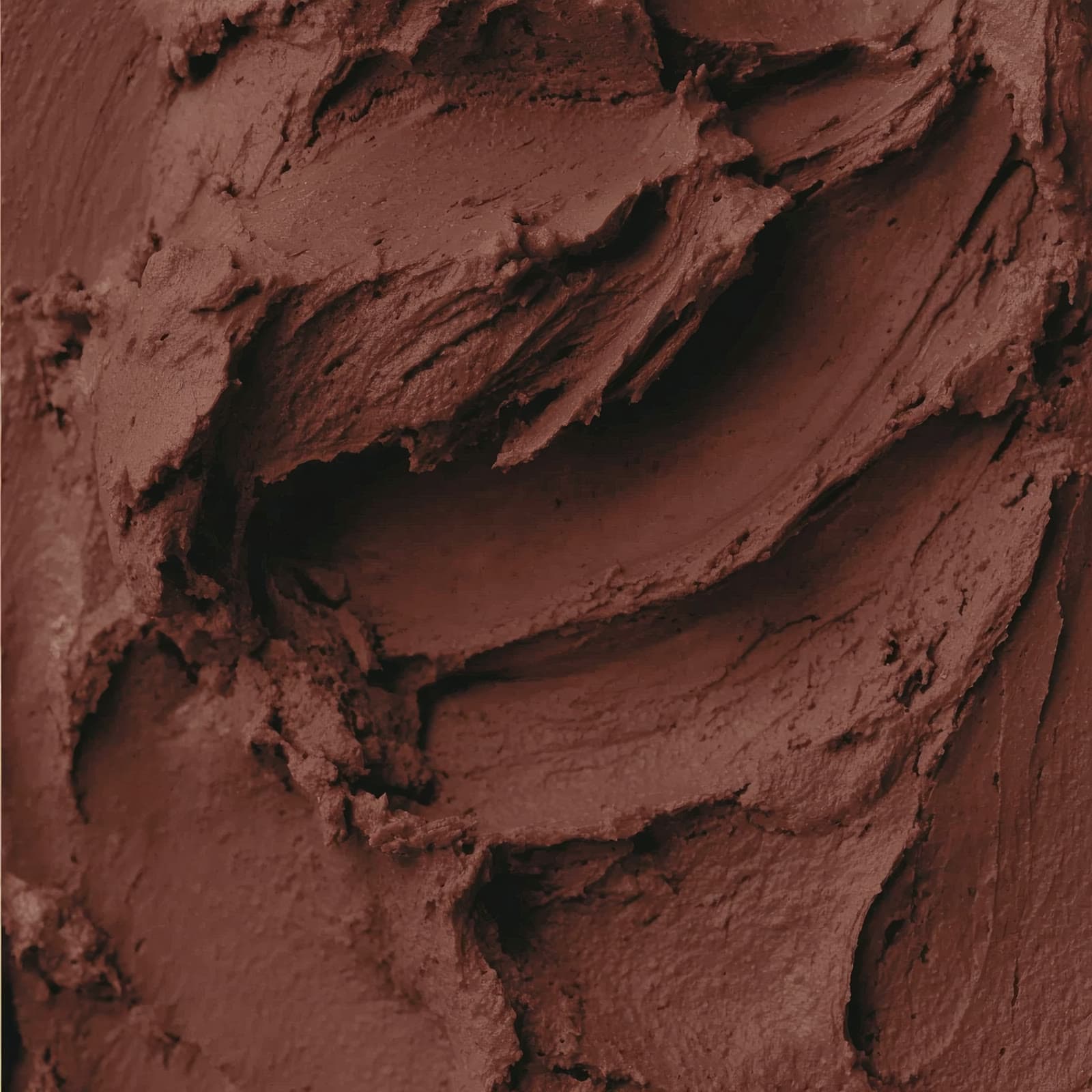
How thick is each layer?
On a floor, the stack from the substrate up looks like this. Each layer has a job, and only two of them contribute real height:
- Primer — microns. A thin bonding film that keys the surface. You cannot feel it; it is measured in microns, not millimeters.
- Cementitious base coat — ~1.5 to 1.8 mm. On floors, the Atriafloor Rasante One base levels the surface, carries the load, and holds the embedded fiberglass mesh. This is the layer that does most of the leveling, so it accounts for most of the height.
- Decorative microcement coats — ~0.8 to 1 mm. Two thin troweled coats of the finish (about 1.0 to 1.2 kg/m² together). This is the color and texture you see.
- Polyurethane topcoat — microns. The protective sealer film. Like the primer, it is measured in microns.
Add the two structural layers and the two films together and you land at roughly 2 to 3 mm. The base coat and the decorative coats are where the millimeters come from; the primer and topcoat barely register on a tape measure even though they do a great deal of the work.
Does thickness change by chemistry?
Not really — all three microcement chemistries are applied at roughly the same thin buildup. What changes at that thinness is how the film behaves. That is the honest takeaway: thickness is a category constant; binder chemistry is the variable.
| At a ~2–3 mm build | Acrylic-cement | Epoxy-modified | Polyurethane-mineral |
|---|---|---|---|
| Total floor system thickness | ~2–3 mm | ~2–3 mm | ~2–3 mm |
| Decorative coat on its own | ~1 mm or less | ~1 mm or less | ~0.8–1 mm (≈1.0–1.2 kg/m², 2 coats) |
| How the thin film behaves | Sealer-dependent; can be brittle | Hard but rigid — telegraphs movement | Hard-elastic — flexes with the substrate |
| Wear at that thinness | Softer; leans on the sealer | Very hard, but can amber under UV | Shore D > 65, closed-pore, UV-stable topcoat |
Chemistry categories, not brands. Identify any system by its TDS “Chemical Nature” line.
Is a microcement floor thicker than a wall?
Yes — and the reason is structural, not cosmetic. A floor takes foot traffic, furniture, and point loads, so it usually needs the cementitious base coat to level and reinforce the surface. That base is what adds the extra 1.5 to 1.8 mm.
A wall does not carry that kind of load, so it skips the structural base: typically just a primer, the decorative coats around 0.8 to 1 mm, and the topcoat. The finished wall often comes out around a millimeter or so — thin enough that it does not change reveals at door and window frames the way tile or paneling would. Same family of numbers, floor and wall; both are thin bonded coatings measured in millimeters.
Does microcement raise the floor height?
Barely, and that is the entire point of overlaying instead of demolishing. At 2 to 3 mm for the full system, a microcement floor adds only a few millimeters. In most renovations that keeps door swings, thresholds, transitions, and fixture heights workable without re-cutting doors or resetting a toilet flange. You skip the demolition, the dumpster, and the dust, and you keep the room height you already have.
There is one honest caveat for wet areas. Microcement is waterproof by assembly, not on its own: in a shower or wet room a code-compliant waterproofing layer belongs below the microcement system, and that membrane adds a little height of its own. The microcement above it still stays thin. The coating and its closed-pore topcoat are water-resistant, but they are not a waterproofing membrane, and I will never tell you otherwise.
If it is so thin, how does it last?
This is the question I most want people to understand, because "thin" makes it sound weak and it is not. Microcement is a bonded coating. Its job is to bond to a sound substrate and move with it — not to stand alone like a slab. Durability comes from the wear layer and the substrate, not from raw thickness.
Look at where the performance actually lives. The decorative coat is hard-elastic and closed-pore, with a surface hardness of Shore D above 65 — hard enough for traffic, elastic enough to flex with the substrate instead of fracturing over it. The structural base coat carries load at 42 ± 2 MPa compressive at 28 days (EN 1015-11) — that is a base-coat crush figure, not the finish. And the two-component polyurethane topcoat takes the abrasion and can be renewed by re-coating, without demolition. A well-bonded thin coating over a sound, prepared substrate outlasts a thicker one applied over a moving or poorly prepped floor every time.
Which is also why thicker is not stronger. Piling extra material onto a decorative coat does not add strength; it slows curing and invites surface crazing. If a floor needs more body or leveling, that is the base coat's job, applied to its own specified thickness — not a heavy finish coat.
How to check thickness before you buy
- 01Ask for the TDS coverage line in kg/m² per coat — that is how you derive the real decorative-coat thickness, not a marketing round number.
- 02Ask for the total system buildup for your substrate: floor (with a base coat) versus wall (without one).
- 03Confirm a cementitious base coat is specified wherever the floor needs leveling or reinforcement — that is where the structural millimeters come from.
- 04Be skeptical of a "1 mm floor" claim. One millimeter is roughly a single decorative coat, not a finished floor system.
- 05In wet areas, confirm a code-compliant waterproofing layer sits below the system — it adds height, and it is what makes the assembly waterproof.
How ATRIA's system reaches that thickness
Every layer in the PURO system is engineered to its own thickness for a reason:
- Primer (Primerquarz / Atriafloor Primer BC): a thin, quartz-loaded bonding film — microns, but it is what everything above it grips.
- Base (Atriafloor Rasante One): the ~1.5 to 1.8 mm cementitious layer that levels, reinforces with mesh, and carries load at 42 ± 2 MPa at 28 days (EN 1015-11).
- Decorative coat (SuperTitanium BC): ~0.8 to 1 mm of hard-elastic, closed-pore finish (Shore D above 65), bound with quartz, marble sand, and Etna volcanic mineral.
- Topcoat (New Atriapol Antibacterial): a thin two-component polyurethane sealer film — closed-pore, non-yellowing, UV-resistant, tested to ISO 22196:2011.
And here is the distinction I would ask you to check against anyone else's data sheet: polyurethane in the SuperTitanium BC decorative layer itself — not only in the topcoat — over a 42 ± 2 MPa Rasante One base, under a two-component polyurethane antibacterial topcoat. No microcement system we have verified, TDS in hand, shows that same combination in that same few millimeters. Ask any supplier to show you the same, layer by layer, in their TDS.
Frequently asked questions
How thick is microcement?
A complete microcement floor system is only about 2 to 3 millimeters thick — roughly the stack of three credit cards. That total is built from a cementitious base coat (around 1.5 to 1.8 mm), the decorative microcement coats (around 0.8 to 1 mm, about 1.0 to 1.2 kg/m² over two coats), and thin primer and topcoat films. The decorative finish that gives microcement its look is under 1 mm on its own. On walls the buildup is thinner still, because there is no structural base coat. Microcement is a thin bonded coating, not a poured slab, so the substrate beneath it has to be sound.
How thick is a microcement floor versus a wall?
A microcement floor is thicker than a microcement wall because a floor carries foot traffic and usually needs a cementitious base coat to level and reinforce the surface, which adds roughly 1.5 to 1.8 mm. A wall skips that structural base: it is typically just a primer, the decorative microcement coats (around 0.8 to 1 mm), and the topcoat, so the finished wall is often around a millimeter or so. Both are thin bonded coatings measured in millimeters, not centimeters.
Does microcement raise the floor height?
Barely. Because the whole system is about 2 to 3 mm, a microcement overlay adds only a few millimeters of height — little enough that door swings, thresholds, transitions, and fixture heights usually still work without re-cutting doors or resetting a toilet flange. That low buildup is a big reason people overlay existing floors with microcement instead of demolishing them. In a wet area a code-compliant waterproofing layer sits below the system and adds a little more height, but the microcement itself stays thin.
How thick is each layer of a microcement system?
On a floor the stack is, from the substrate up: a thin primer film that keys the surface; a cementitious base coat around 1.5 to 1.8 mm that levels and reinforces, embedding a fiberglass mesh; the decorative microcement coats around 0.8 to 1 mm total (about 1.0 to 1.2 kg/m² over two coats); and a thin polyurethane topcoat film. Added together that is roughly 2 to 3 mm. The primer and topcoat are measured in microns, not millimeters, so most of the height is the base and the decorative coats.
If microcement is so thin, how is it durable?
Thinness is not weakness, because microcement is a bonded coating — its job is to bond to and move with a sound substrate, not to stand alone like a slab. Durability comes from the wear layer and the substrate, not from raw thickness: the decorative coat is hard-elastic and closed-pore with a surface hardness of Shore D above 65, the structural base coat carries load (42 ± 2 MPa compressive at 28 days, EN 1015-11 — a base-coat figure, not the finish), and a two-component polyurethane topcoat takes the abrasion and can be renewed. A well-bonded thin coating outlasts a thick one over a moving or poorly prepared substrate.
Can microcement be applied thicker for more strength?
No — thicker is not stronger, and over-thickening a microcement coat invites problems rather than solving them. Microcement is engineered to perform at its specified buildup (roughly 2 to 3 mm for a floor system); its strength comes from binder chemistry, reinforcement, and a sound substrate, not from piling on material. Extra thickness in a single decorative coat can slow curing and raise the risk of surface crazing. If a floor needs leveling or more structural body, that is the job of the cementitious base coat, applied to its own specified thickness — not a thicker finish coat.
Go deeper
About the author
Enzo Atria
Owner & 2nd-generation lead, Colorificio Atria S.r.l. · Partanna, Sicily
Enzo leads Colorificio Atria, the Italian manufacturer behind the PURO polyurethane-mineral microcement system and the VENEZIANO Venetian plaster collection. Over two decades he has built ATRIA into one of Europe's reference-standard microcement houses, with specification work in luxury residential, hospitality, and healthcare across Italy, the Middle East, and — more recently — the US through ATRIA USA. He oversees formulation, QC, and the certified installer training program out of the Partanna facility.
LinkedIn →