Hands-On Certification
Training
Learn from installers. Not salespeople.
Master the Craft. Build Your Business.
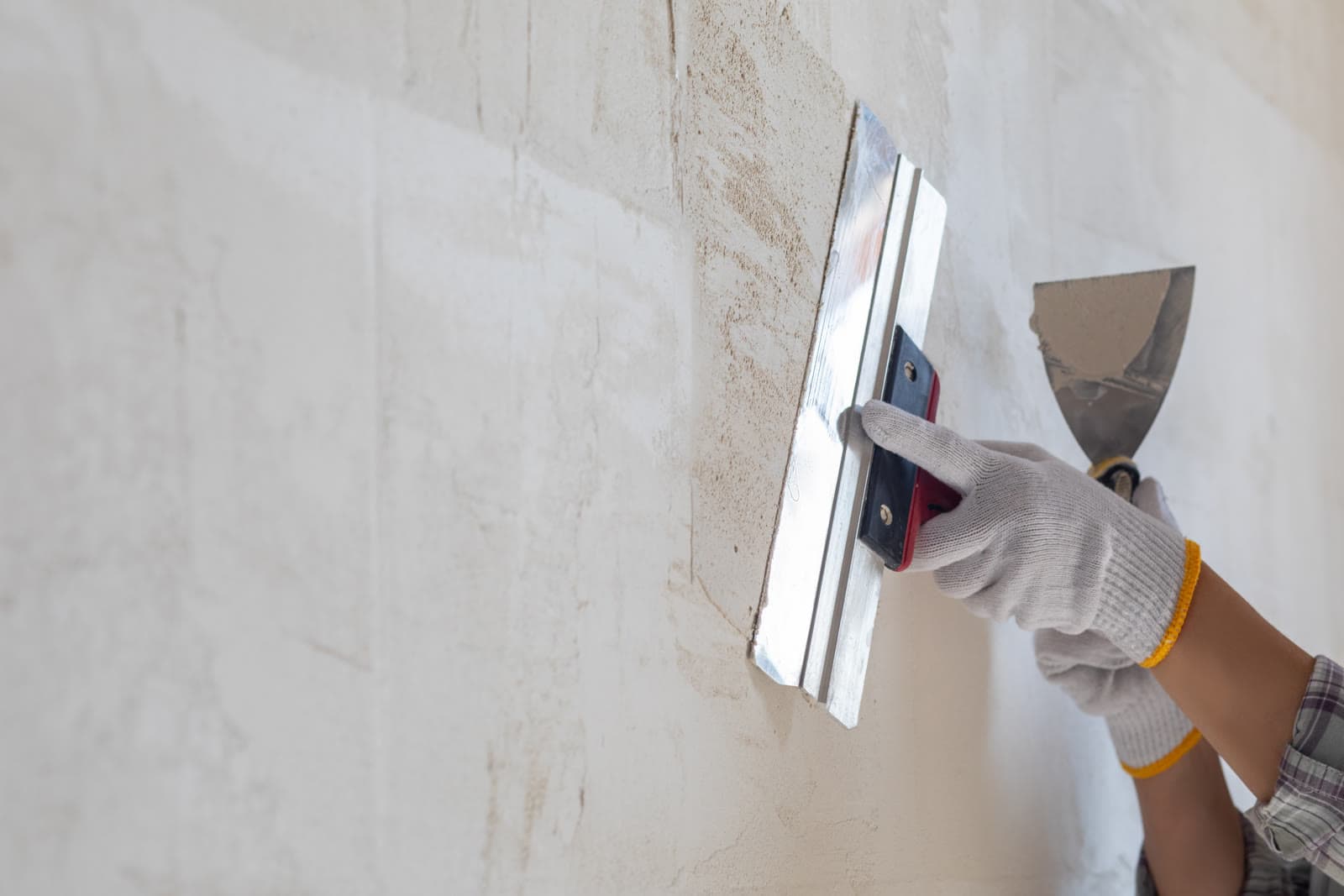
ATRIA training programs are designed for contractors and applicators who want to add premium decorative finishes to their service offering. All workshops are hands-on at our Dallas facility, taught by experienced installers with thousands of square feet of real-world application.
Choose Your Path
Four Tiers of Mastery
Contractor Basics
1 Day · Product-Specific
For experienced contractors who already work with decorative finishes but need hands-on time with the ATRIA product system.
- ATRIA product system overview
- Hands-on with PURO microcement
- Primer & basecoat application
- Finish coat trowel techniques
- Sealer application & curing
- All materials provided
Applicator Certification
1–2 Days · Hands-On Workshop
Complete microcement system training for contractors new to the product. Learn the full 5-step system from surface prep to final seal.
- Complete 5-step microcement system
- Hands-on practice on sample boards
- Surface preparation & priming
- Trowel technique fundamentals
- Sealing & topcoat application
- Certificate of completion
- All training materials included
Training fee credited toward first order over $2,000
Reserve Your SpotSpecialty Systems
2–3 Days · Wet Areas & Finishes
For experienced applicators ready to tackle wet areas, venetian plaster, and specialty finishes.
- Everything in Foundation, plus:
- Wet area protocols (showers, spas)
- Fiberglass mesh & waterproofing
- Over-tile application system
- Venetian plaster & specialty finishes
- Metallicum & Wild Rust techniques
- Troubleshooting & repair methods
Master Installer
3–4 Days + On-Site Mentoring
The complete partnership. Master every product line, get listed on our site, and receive lead referrals.
- Everything in Foundation & Advanced:
- Full mastery across all product lines
- On-site mentoring on first real project
- Listed as ATRIA Certified Installer
- Priority wholesale pricing
- Lead referrals from ATRIA
- Ongoing technical support hotline
Fee credited after $10,000 in product purchases
Reserve Your SpotHow It Works
From Registration to Certification
Register
Contact us to reserve your spot. Classes are small (max 6 people) for personalized instruction.
Train
Hands-on workshop at our Dallas facility. Real materials, real techniques, real surfaces.
Certify
Complete practical assessment. Receive your ATRIA certification and start ordering product.
Build
Access wholesale pricing, technical support, and lead referrals. Grow your decorative finishes business.
Curriculum
What You'll Master
Surface Preparation
- Substrate assessment
- Crack repair & leveling
- Primer selection (Primerquartz vs Atriafloor)
- Over-tile grinding techniques
Application Systems
- Wall system (4-step)
- Floor system (5-step with Rasante)
- Venetian plaster technique
- Metallicum & oxidized finishes
Protection & Specialty
- Sealer & topcoat selection
- Wet area waterproofing
- Fiberglass mesh in epoxy
- Moisture barrier systems (StoPox 452 EP)
Application Guides
Coming SoonStep-by-Step System Guides
We're building detailed step-by-step guides for every ATRIA system — from surface prep to final seal. In the meantime, download Technical Data Sheets from any product page, or contact us for project-specific guidance.
Questions
Training FAQ
Do I need prior experience with microcement?
No. Tier 1 is designed for contractors with general construction experience but no microcement background. Trowel experience (drywall, stucco, plaster) is helpful but not required.
Where is the training held?
All training takes place at our facility in Dallas, TX (17811 Davenport Rd Suite 12). We have a dedicated training area with practice surfaces and all materials provided.
How many people per class?
Maximum 6 participants per session. This ensures everyone gets individual attention and plenty of hands-on practice time.
Is the training fee really credited back?
Yes. Tier 1 fee is credited toward your first product order over $2,000. Tier 4 fee is credited back after $10,000 in cumulative purchases. We want partners, not students.
Can I skip Tier 1 and go straight to Tier 2?
If you have documented microcement experience, we can assess your skill level and potentially start at Tier 2. Contact us to discuss your background.
Do you offer on-site training?
Tier 4 Master Installer includes on-site mentoring on your first real project. Custom on-site training for teams of 4+ can also be arranged — contact us for pricing.
Ready to Add Microcement to Your Services?
Contact us to schedule your training. Next available sessions are filling up.